Discipline · 6 min read
Why the Last 20% Takes 80% of the Energy
Starting runs on novelty. Finishing asks for decisions, restraint and the discipline to keep going after the applause in your own head has stopped.
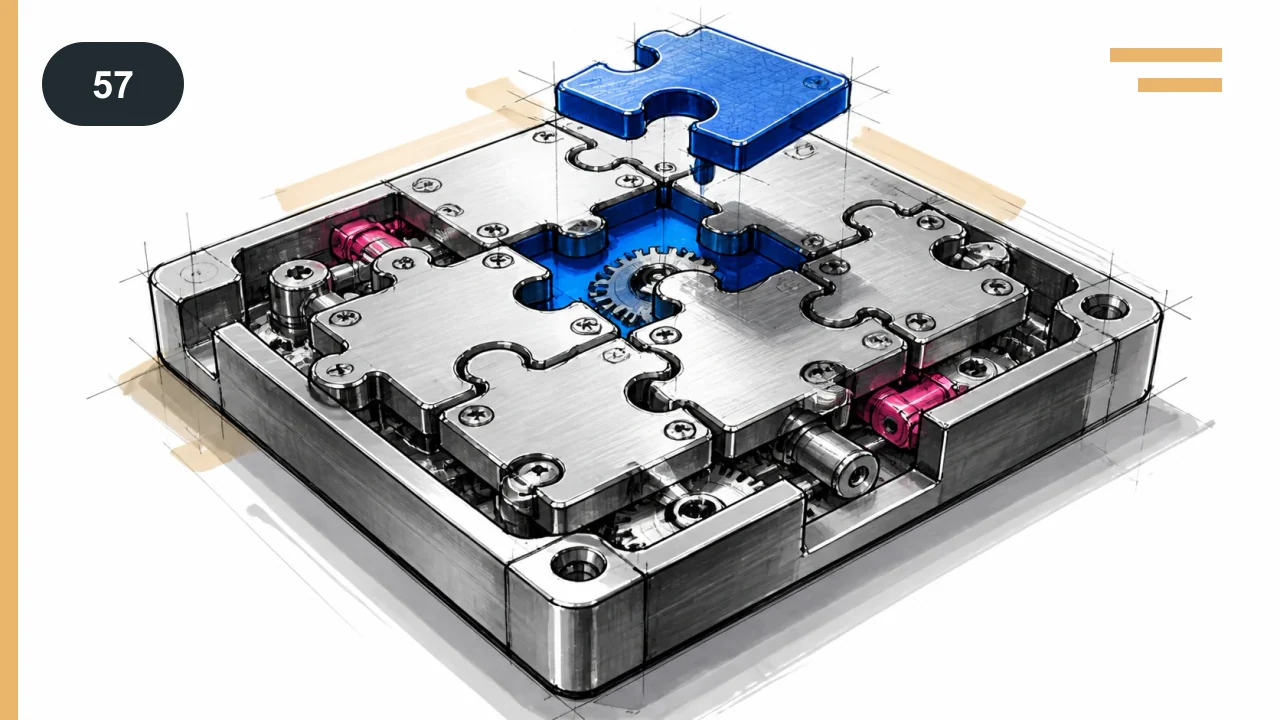
The exciting part is not the whole job
The first stretch of a project is generous. Possibilities multiply, progress is visible and almost every decision makes the thing feel more real. Then the curve changes. The remaining work is less glamorous: fixing edge cases, removing what does not belong, writing the awkward email, asking for money and deciding that the thing is finally done.
This is where motivation hands the project over to discipline. If you interpret the drop in excitement as a sign that the idea is wrong, you will build a life full of promising beginnings.
Define done before you are tired
An unfinished project expands to contain every insecurity you have about it. Define the finish line while you can still think clearly. What must be true for this version to ship? What can wait? Which three tasks represent actual completion rather than comfort work?
A useful definition of done is observable. “Improve the website” is not done. “Publish five pages, connect the domain and ask three people to use it” is.
Trade intensity for a closing rhythm
The last mile rarely needs a heroic sprint. It needs a repeatable closing rhythm: one focused block, one decision list and one person who can tell you when you are polishing the wrong thing.
Reduce the project until you can move it every day. Progress that looks unimpressive but continues is more powerful than a dramatic burst followed by another abandoned draft.
Ship the version that teaches you
Finishing is not declaring the work perfect. It is moving the work into a state where reality can answer back. Users, readers and customers can teach you things that another week alone cannot.
The final 20% is where an idea becomes a contribution. Protect enough energy for it.
Don’t waste the hammer.
Explore more ideas →